
Loading...
Serving Union City, CA and surrounding areas. (510) 738-1709
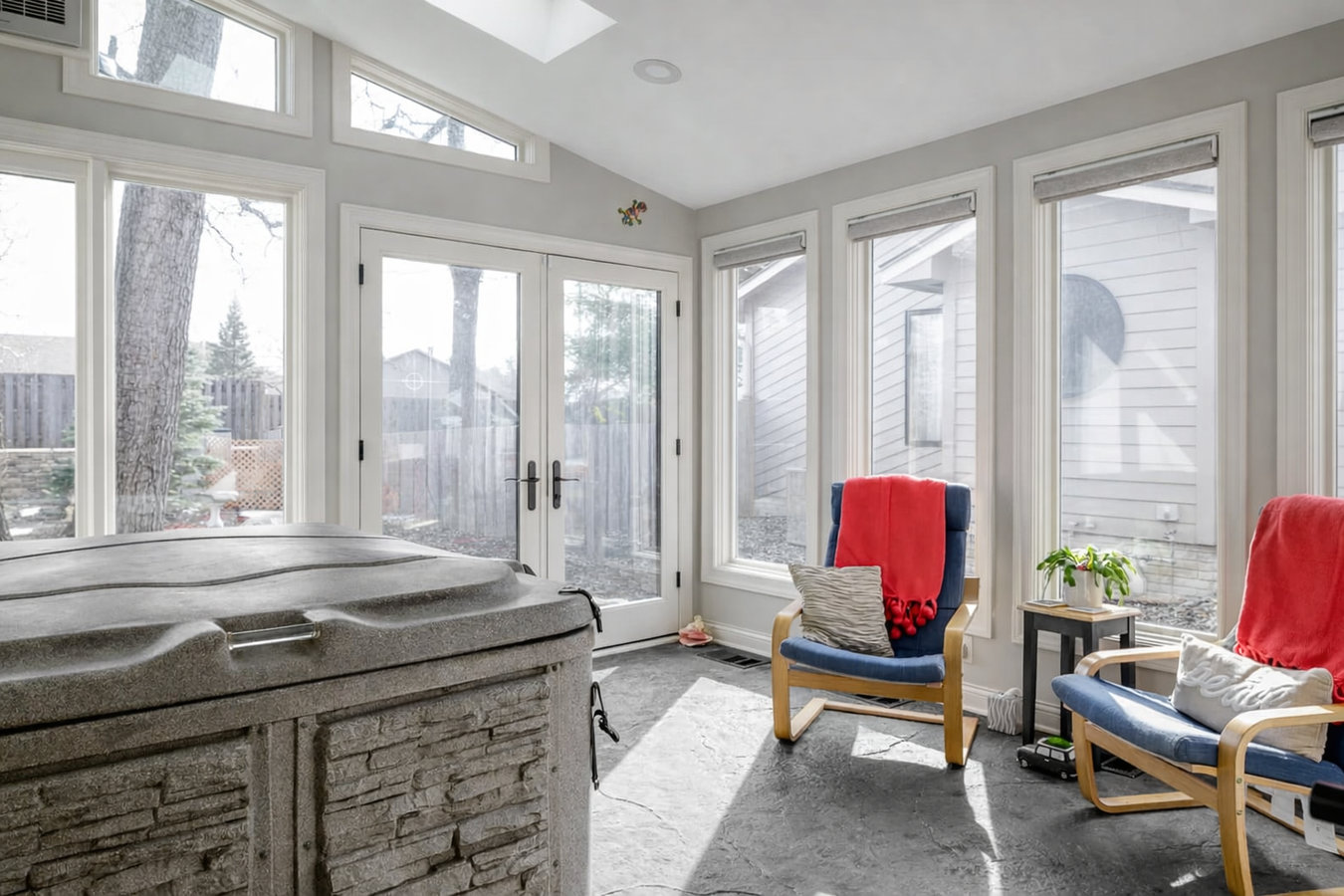
Union City Sunrooms & Patios builds patio-to-sunroom conversions, four-season rooms, patio enclosures, and patio covers for Livermore homeowners. We have served the Tri-Valley since 2016, we design every project around Livermore's clay soil conditions and inland summer heat, and we pull permits through the City of Livermore on every job so your addition is fully documented.
Most Livermore ranch homes from the 1950s through 1970s were built with a back patio slab, and many of those slabs are still solid after 50 years of Tri-Valley heat and clay soil movement. Converting that slab into a enclosed sunroom is the most cost-efficient way to add year-round living space to these homes - you skip the foundation cost and start with the walls and roof structure. In a city where outdoor space gets baked unusable for months in summer, converting a patio into a shaded, insulated room can transform how much you actually use the back of your house.
Livermore summers regularly exceed 95 degrees F, which means a sunroom that is not insulated and mechanically cooled becomes a liability rather than an asset from June through September. A four-season room with insulated wall panels, low-e glazing, and a connection to the home's HVAC system stays comfortable even during triple-digit heat waves. For Livermore homeowners who work from home or want a full-time sitting area or dining extension, this is the version that actually delivers on the promise.
Livermore winters bring real rainfall from November through March, and uncovered patios are genuinely unusable during that period. Enclosing a patio - even with a simple insulated roof and screen or glass walls - extends the usable season by months. For homeowners on larger lots in areas like South Livermore and the neighborhoods near the wine country, the covered outdoor-to-indoor conversion is a natural fit for how these properties are used.
Livermore home values are well above $800,000, and adding a permitted sunroom addition is a sound investment for most homeowners here. The 1950s-to-1970s ranch homes that make up much of the city's housing stock sit on modest lots with yards that can accommodate a rear addition without consuming too much outdoor space. We design additions for Livermore's specific soil and climate conditions so the room stays level and tight over the years.
Livermore experiences Diablo wind events each fall - dry, hot gusts that knock down fences, lift roofing, and make open patios miserable. A solid patio cover provides shade during the brutal summer months and protection during wind season. For homeowners who are not ready for a full enclosure, a covered patio is often the first step toward a more complete outdoor living space.
Spring and fall evenings in Livermore are genuinely pleasant - warm enough to sit outside, cool enough to be comfortable, with the kind of evening air that comes with living next to wine country. A screen room captures that seasonal window without the cost of full enclosure, keeps insects out, and lets the breeze through on the nights when you want it. On the larger lots near South Livermore and the Springtown district, a screened room fits naturally into the outdoor layout.
Livermore's housing stock is older than most homeowners realize. The majority of homes in the city were built between the 1950s and the 1990s - with a large concentration of ranch-style houses from the 1950s and 1960s that are now 60 to 70 years old. At that age, original patio slabs have been through decades of Tri-Valley clay soil movement, and the concrete often shows it. Understanding whether an existing slab is sound enough to enclose, or whether the footing below a planned addition needs special reinforcement, is work that belongs in the assessment phase - not discovered partway through construction.
Livermore also sits in one of the hottest inland pockets of the Bay Area. Temperatures above 95 degrees F are routine from June through September, and the fall Diablo wind season adds its own demands - strong, dry gusts that put stress on roof attachments, window seals, and the connections between a new room and the existing house. Any addition built here needs to handle that thermal range and wind loading as part of the basic design, not as an afterthought. The National Weather Service tracks Diablo wind events in this region because of how often they cause property damage - and a well-built sunroom, with proper anchoring and sealed connections, is far less vulnerable than a poorly attached one.
Our crew works throughout Livermore regularly, and we pull permits through the Livermore Community Development Department for every project we build here. The permit office is familiar with the local soil conditions and the types of construction common to Livermore's housing stock, and plans prepared with that context move through review more efficiently.
Livermore is a city with real geographic range - from the older streets close to the historic downtown core, which include some of the earliest homes in the area, to the newer two-story subdivisions off Portola Avenue and the Springtown district that were built out in the 1990s and 2000s. Lawrence Livermore National Laboratory sits on the edge of the city and is the region's best-known institution, drawing long-term residents who tend to stay in the area and invest in their homes. The Livermore Valley wine country borders the city to the south, and homes on the larger lots near the vineyards often have outdoor spaces well-suited for a sunroom or covered patio addition.
We also serve homeowners in neighboring Pleasanton just west along I-580, and back through the broader East Bay to our home base in Union City. The whole corridor shares similar soil and climate conditions, and we apply the same Tri-Valley construction approach across all of it.
Call or submit your project through the estimate form. We respond within one business day and ask a few questions about your home, your timeline, and what you want the space to do - so the site visit is focused from the start.
We visit the property, evaluate the existing slab or foundation, check the framing at the attachment point, and review setback requirements under Livermore's zoning code. The written estimate covers full scope with no surprises added later - and it addresses the question most homeowners have first, which is what the project will cost.
We file the permit application with the City of Livermore and handle plan check follow-up so you do not have to track it. Once the permit is issued, construction begins on schedule - most active build phases run one to seven weeks depending on the scope.
The Livermore building inspector signs off on the completed work, and we walk through the finished space with you before leaving the site. The permit record stays with the property and protects your investment when it comes time to sell or file a homeowners insurance claim involving the new structure.
We serve Livermore homeowners from the older ranch homes near downtown to the newer subdivisions off Portola Avenue. Written estimate, permits handled, no pressure.
(510) 738-1709Livermore is a city of about 92,000 people at the eastern edge of the Tri-Valley, bordered by the Livermore Valley wine country to the south and east. The city grew as a bedroom community for the Bay Area during the postwar decades, producing the large concentration of single-story ranch homes from the 1950s through 1970s that define most residential neighborhoods today. Newer subdivisions were built in north and east Livermore through the 1990s and 2000s, adding two-story homes with tile roofs and larger floor plans to the mix. The neighborhoods closest to historic downtown Livermore include some of the city's oldest homes, with wood-frame construction and foundations that predate current building codes.
Lawrence Livermore National Laboratory sits on the southeastern edge of the city and is the area's largest employer, drawing scientists, engineers, and support staff who tend to be long-term residents with strong ties to the community. The Livermore Premium Outlets on the east side of town is a regional shopping destination that serves as a familiar landmark for most residents. Homeownership rates in Livermore run around 60 to 65 percent - above the California average - which reflects the stable, long-term population base that makes home improvement investment worthwhile. Neighboring Hayward to the northwest and Fremont further along the I-680 corridor are communities we also serve regularly.
Expand your living space with a beautiful, professionally built sunroom addition.
Learn MoreRefresh and modernize your existing sunroom with professional remodeling.
Learn MoreConvert your existing patio into a comfortable enclosed sunroom.
Learn MoreWe build patio covers, patio enclosures, four-season rooms, and full sunroom additions throughout Livermore. Call today and get a written estimate before the summer heat arrives.