
Loading...
Serving Union City, CA and surrounding areas. (510) 738-1709
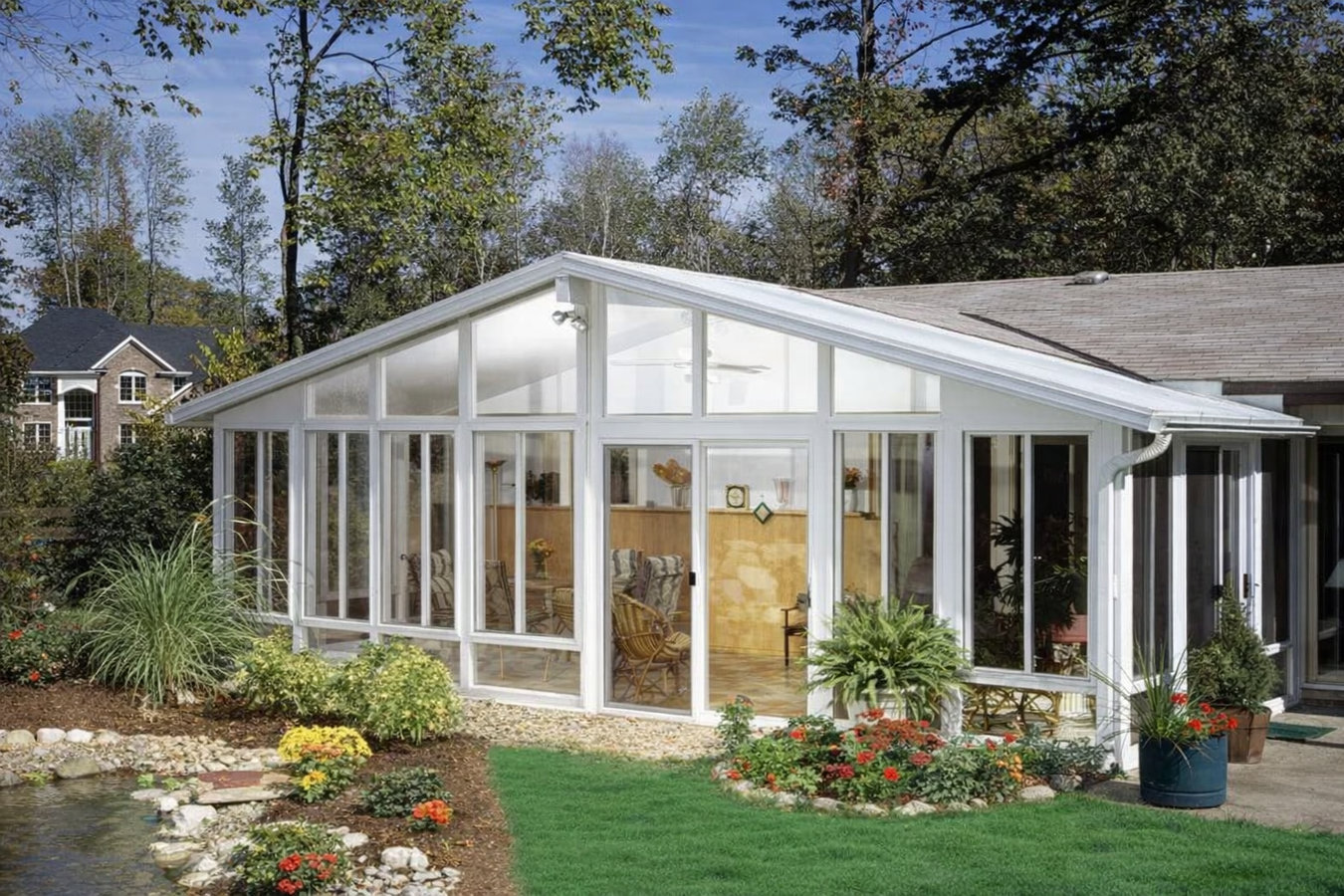
Union City Sunrooms & Patios installs solariums, sunroom additions, patio enclosures, and patio covers for Pleasanton homeowners. We have served the Tri-Valley since 2016, we design every project around the local clay soil conditions and inland summer heat, and we pull permits through the City of Pleasanton on every job so your addition is properly documented and covered.
Pleasanton homeowners who want to maximize natural light in an addition - especially on north-facing or shaded lots - get the most from a solarium with overhead glazing. The glass roof lets in light that a standard sunroom wall system cannot match, and with low-e coatings specified for Pleasanton's hot summers, the space stays usable even on 95-degree days. It is one of the highest-impact additions you can make on a home where the backyard orientation limits how much light a standard room would receive.
Pleasanton home values regularly exceed $1.3 million, which means a permitted sunroom addition is a strong investment for most homeowners here. The large share of 1970s-to-1990s ranch-style and two-story tract homes in Pleasanton are well-suited to rear additions - the foundation conditions are generally predictable, and the lot sizes give room to work. We design additions that connect to the existing structure cleanly and handle the seasonal soil movement that comes with Tri-Valley clay.
Most Pleasanton ranch and two-story homes from the 1970s through 1990s were built with a back patio slab, and many of those slabs are still sound. Enclosing an existing slab converts unused outdoor square footage into year-round living space without the cost or permit complexity of a new foundation. In a city where adding a bedroom addition would cost far more per square foot, a patio enclosure is often the most efficient way to expand.
Pleasanton summers regularly hit 90 degrees F or above, which means a sunroom needs more than just glass walls to be comfortable in July. A four-season room with insulated panels, low-e glazing, and a mechanical connection to the home's HVAC system stays comfortable year-round without becoming a heat box in summer or a cold room in January. For homeowners who want the space to serve as a full-time home office, dining area, or sitting room, this is the level of construction that makes that possible.
Pleasanton's November-through-March rainy season pushes most homeowners off their uncovered patios for months at a time. A solid patio cover keeps the space usable through winter and provides meaningful shade during the hottest inland summer days. Many Pleasanton homeowners who are not yet ready for a full enclosure start with a covered patio and later upgrade to an enclosed room when the timing is right.
Pleasanton homes near Main Street and the older downtown neighborhoods often have architectural character - original wood trim, specific roofline pitches, and proportions worth preserving. A custom sunroom designed to match the existing structure reads as a natural part of the home rather than a tacked-on addition. For homeowners in these older areas who want to add space without disrupting the look of their house, custom design is the right path.
Most of Pleasanton's housing stock was built during the city's rapid growth period from the late 1960s through the 1990s. A large share of those homes are now 30 to 55 years old - old enough that the original patio slabs, roofing, and insulation are reaching the end of their service life. That also means a lot of homeowners are looking at adding to their homes for the first time, dealing with original construction that varies in quality and condition. Understanding what a 1975 ranch slab can support, and whether the existing framing is ready for an attached addition, matters before any permit application is filed.
The expansive clay soil throughout the Tri-Valley creates real, recurring challenges for any ground-level construction. These soils swell when Pleasanton's November-through-March rainy season saturates the ground, and shrink again as the dry summer heat pulls moisture out - sometimes causing movement of two inches or more at the surface over a season. Driveways crack, patios shift, and additions that were not designed for this soil behavior can develop gaps at the connection to the house. Designing footings and slabs with this movement in mind is not optional in Pleasanton; it is the difference between a room that stays tight and one that needs repairs within a few years.
Our crew works throughout Pleasanton regularly, and we pull permits through the City of Pleasanton Building and Safety Division for every project we build here. Pleasanton reviewers are familiar with the local soil and foundation conditions, and plans that account for them move through plan check more smoothly than generic submissions. Getting that right the first time avoids the back-and-forth that can add weeks to a project timeline.
Pleasanton is a well-kept city with distinct areas - the older homes near the historic downtown on Main Street sit alongside mid-century neighborhoods and newer subdivisions that extend east toward the Vineyard Hills area. The Alameda County Fairgrounds anchors the north side of the city, and neighborhoods near Shadow Cliffs Regional Recreation Area to the east tend to have larger lots with more space for outdoor additions. Whether you are in a 1972 ranch home off Bernal Avenue or a newer two-story near the Hopyard Road corridor, the soil and climate conditions are the same throughout the city.
We also regularly serve homeowners in Livermore just east of Pleasanton along the I-580 corridor - both cities share the same Tri-Valley clay soil and inland climate, and the construction approach we use carries across the whole valley without adjustment.
Contact us by phone or through the estimate form and we will respond within one business day. We will ask a few questions about your home, the space you want to add, and your timeline so the site visit is focused and efficient.
We visit the property, assess the existing slab or foundation, check the framing at the attachment point, and review any site-specific conditions - including soil drainage and setback measurements under Pleasanton's zoning rules. The written estimate we give you covers the full scope with no hidden line items added later.
We file the permit application with the City of Pleasanton and manage plan check follow-up so you do not have to. Once the permit is in hand, construction begins on the agreed schedule - most active build phases run one to eight weeks depending on the scope.
The city inspector signs off on the completed work, and we walk through the finished space with you before we leave. The permit record stays with the property and protects your investment when it comes time to sell or make an insurance claim involving the addition.
We serve Pleasanton homeowners from the historic downtown neighborhood to the newer subdivisions near Vineyard Hills. Written estimate, permits handled, no pressure.
(510) 738-1709Pleasanton is a city of about 82,000 people at the center of the Tri-Valley region in Alameda County. The city grew quickly during the 1970s, 1980s, and 1990s as families relocated from Oakland and San Francisco looking for more space and suburban amenities, and that growth produced the large share of ranch-style, split-level, and two-story tract homes that make up most of the residential neighborhoods today. The older streets near the historic downtown on Main Street include some of the city's earliest homes, with wood-frame construction and architectural details that predate the postwar suburban boom. The Alameda County Fairgrounds on the north edge of the city is one of the most recognized landmarks in the area, and Shadow Cliffs Regional Recreation Area provides the eastern neighborhoods with one of the most popular swimming and picnicking spots in the East Bay.
Pleasanton is also a significant employment center. Major corporate campuses including Workday and Oracle operate in the city, and the stable employment base contributes to a homeownership rate of around 65 percent - above average for the Bay Area. Owner-occupied homes in a city with median values exceeding $1.3 million are well-maintained, and homeowners here typically invest in quality work rather than deferred repairs. Neighboring Castro Valley to the northwest and San Leandro further along the I-580 corridor are communities we also serve regularly.
Expand your living space with a beautiful, professionally built sunroom addition.
Learn MoreRefresh and modernize your existing sunroom with professional remodeling.
Learn MoreConvert your existing patio into a comfortable enclosed sunroom.
Learn MoreWe build patio covers, patio enclosures, solariums, and full sunroom additions throughout Pleasanton. Call today for a written estimate before the next rainy season starts.